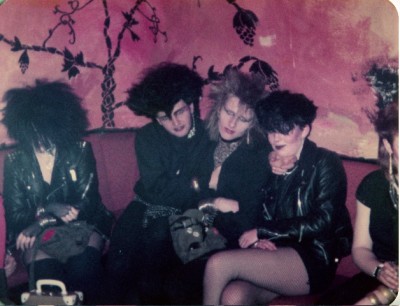
As I am currently wrapping up my final project in my digital history class, there has been some thoughts floating around in my mind regarding it. The major one is ‘What really is goth?’ Obviously, images of black-clad people with dramatically winged eyeliner and pale faces pop into the mind. However, upon doing a deep dive into the origins of modern goth subculture, I’ve come to realize that there are many different definitions of goth style, music, and ideologies and that the movement is truly about finding beauty and belonging in darkness.
My goth crisis began when I was asking my mom about some of the bands she listened to (and still does) from the 80s and 90s that she would consider “gothic.” She mentioned the obvious like Siouxsie and the Banshees, The Cure, and Depeche Mode. However, as we got deeper into the conversation I would ask if a band would be a fit (i.e. The Psychedelic Furs) due to the similarities in sound to the others and she would either be hesitant to say yes or outright say no. This struck me as odd because I also had an article opened about the 50 best goth songs of all time and things just weren’t lining up.
This question rose again when I was looking at different fashion aesthetics that existed under the umbrella of ‘goth’ and they also were vastly different from each other. For example, Trad Goths versus Romantic Goths versus Pastel Goths.
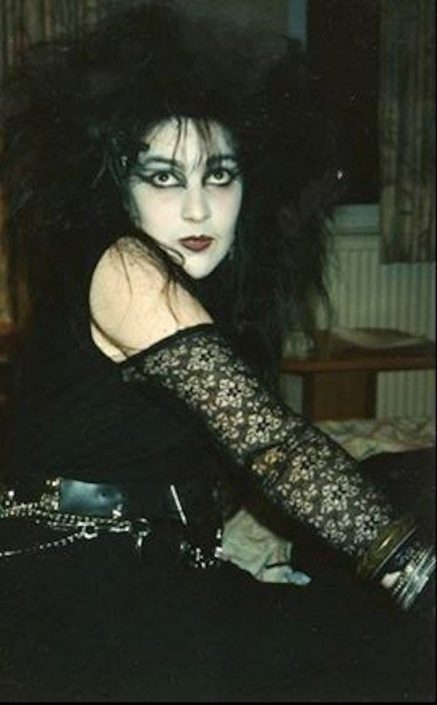

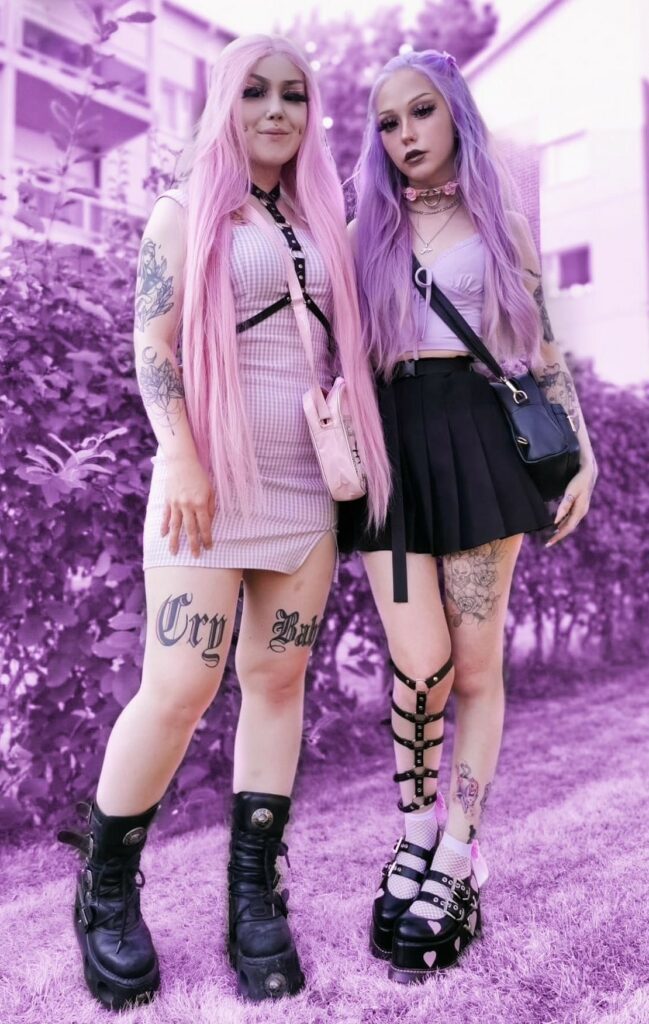
These differences of opinion and aesthetic were quite the issue for me at first because I was like, “how am I going to make a timeline of all of this, and make it make any sense?” I then had a moment of clarity where I only focus on one country’s goth subculture, and what better place to start then where goth as we know it started… The United Kingdom.
Focusing on the UK made researching so much easier as it seemed to be a pretty solid subculture with a pretty chronological story to tell. This still remains the case, but by directing my attention to one group of goths I was able to pinpoint a possible answer to my dilemma. The basis for creating a lot of goth clubs and hang out spots was for people who felt connected to the movement to find commonality with others like them, and to also express their individuality freely. Every person who identifies as goth has a slightly different definition of it compared to another person in the same subculture because it means different things for different people.
That idea is something I need to keep in mind when researching cultural movements based around things as subjective as art, literature, and fashion. The most helpful thing throughout this entire research project was listening to oral interviews of people actually involved in the movement as well as watching club footage of the various goth nightclubs. This is because being able to listen to first-hand accounts of actual goth people and not have secondary interpretations sway my opinion truly helped me understand what the appeal of the subculture was and how it has lasted into the present day.
As someone who typically describes their fashion and music taste as ‘gothic’ I realize that my definition of the term and how I carry myself within the subculture differs drastically compared to other people currently in the movement as well as the people who first brought this dark subculture to life in the 70s. Despite this though, one thing that can be firmly said is that goth has always been about expressing oneself and going against societal expectations with good music and a strong community to keep you company along the way.

 Danielle Walls
Leave a comment