The auditory experience is one that isn’t thought of much when exhibit planning or for entertainment purposes until it is used effectively. A fantastic example of sound enhancing the experience is seen in the 2022 horror film Nope directed by Jordan Peele. I had the great pleasure of seeing this film in theaters when it first came out and the way that sound was utilized in it left me deeply unsettled. Throughout the movie you can hear a faint sound in the background of many scenes, and you have no idea what it is (I chalked it up to just the wind). However, towards the end of the movie (one scene in particular – if you know, you know), it dawns on you what that sound is and makes you evaluate your entire perspective of the events up until that point.
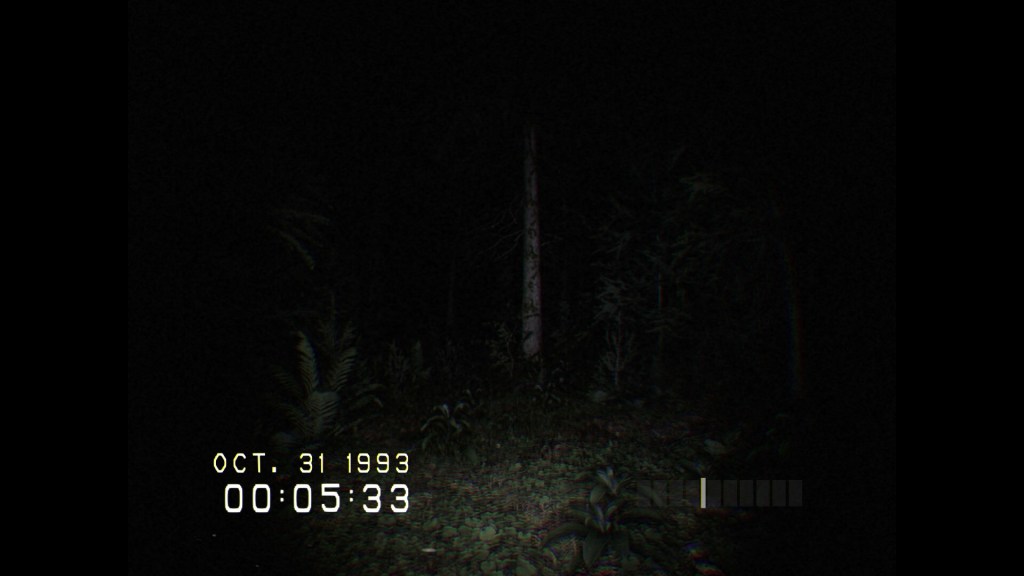
Video games have also been making use of sound to enhance their gameplay. A more recent game I can think of is Don’t Scream where you can’t let the sound bar that is connected to your microphone go above a certain point or you die. Other games I’ve seen sound used to drive its story are Perception, The Vale: Shadow of the Crown, and Unheard. This use of sound makes for a more immersive experience because now the player’s actions in real-life affect their progression in the game.
The point to this is to showcase how sound is being used by different entertainment mediums to enhance the experience for their viewers or players. This is great and all, but what does it have to do with history?
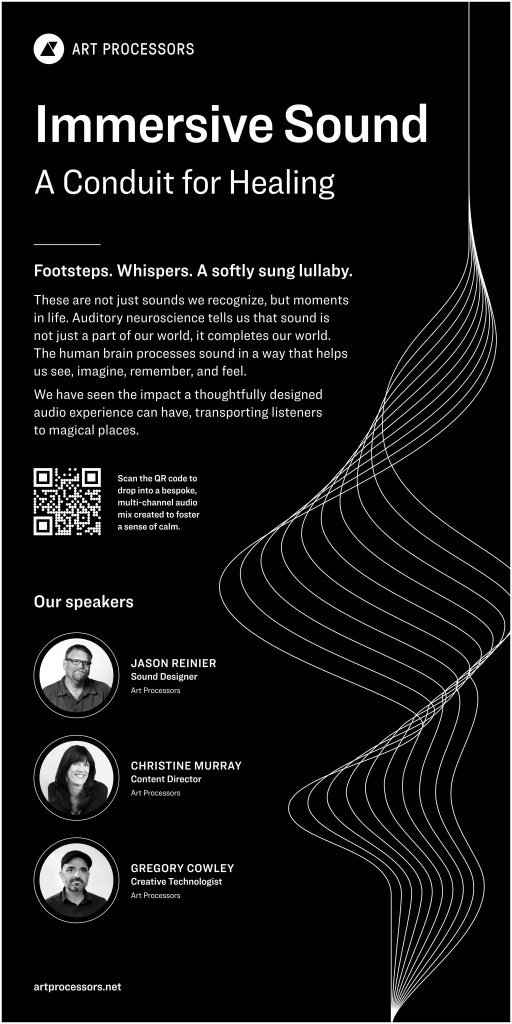
Public historians have been in a constant struggle with figuring out how to get the public interested in history and come to their institutions. The key is to offer experiences that they couldn’t get anywhere else. Not on YouTube. Not on TikTok. Only at that exhibit at that institution. This struggle can possibly be improved with the employment of auditory technology that meshes well with the visual and other interactive aspects of the exhibit. In a 2022 article written by the American Alliance of Museums, this is addressed as a potential innovation for future exhibits. They focus on the presentation done by Art Processors entitled, “Immersive Sound: A Conduit for Healing and Deeper Interpretation.” The goal of this was to allow attendees to activate emotions, other senses, and memories by listening to recordings. Basically, Art Processors’ presentation allows for consideration on why sound matters in a museum environment as well as ways to incorporate sound-related technologies into these buildings.
On another note, these years after the pandemic would serve as a perfect time to implement this kind of immersive technology into museums and other cultural centers. Why? Because many people feel like they have lost out on a lot of experiences in the wake of the pandemic and are eager to try new things while also preserving a sense of normalcy in their lives. Going to a museum, a place that aims to preserve the past, while also experiencing a new type of exhibit appeals to this sense of loss as people strive to take advantage of opportunities they wouldn’t have participated in before.
Overall, the use of sound in museums and other historical mediums could greatly enhance the experience for many people as well as the exhibits themselves.

 Danielle Walls
Leave a comment